

Rizal Shrine: Tracing the National Hero’s Roots in Laguna
Unveiling the Legacy: A Visit to the Rizal Shrine in Calamba, Laguna
Laguna Province, often celebrated for its breathtaking natural landscapes and vibrant festivals, holds an even deeper significance in the annals of Philippine history. It is the birthplace of Dr. Jose Rizal, the national hero, whose intellect and unwavering patriotism ignited the flames of a nation’s desire for independence. At the heart of Calamba, a bustling city within Laguna, stands the Rizal Shrine—a meticulously reconstructed ancestral home that serves as a poignant reminder of the hero’s humble beginnings and the era that shaped him. A visit to this historical landmark is not merely a tour; it’s a journey back in time, offering a profound connection to the life and legacy of one of the greatest Filipinos.
The Hero’s Humble Beginnings: Architecture and Exhibits
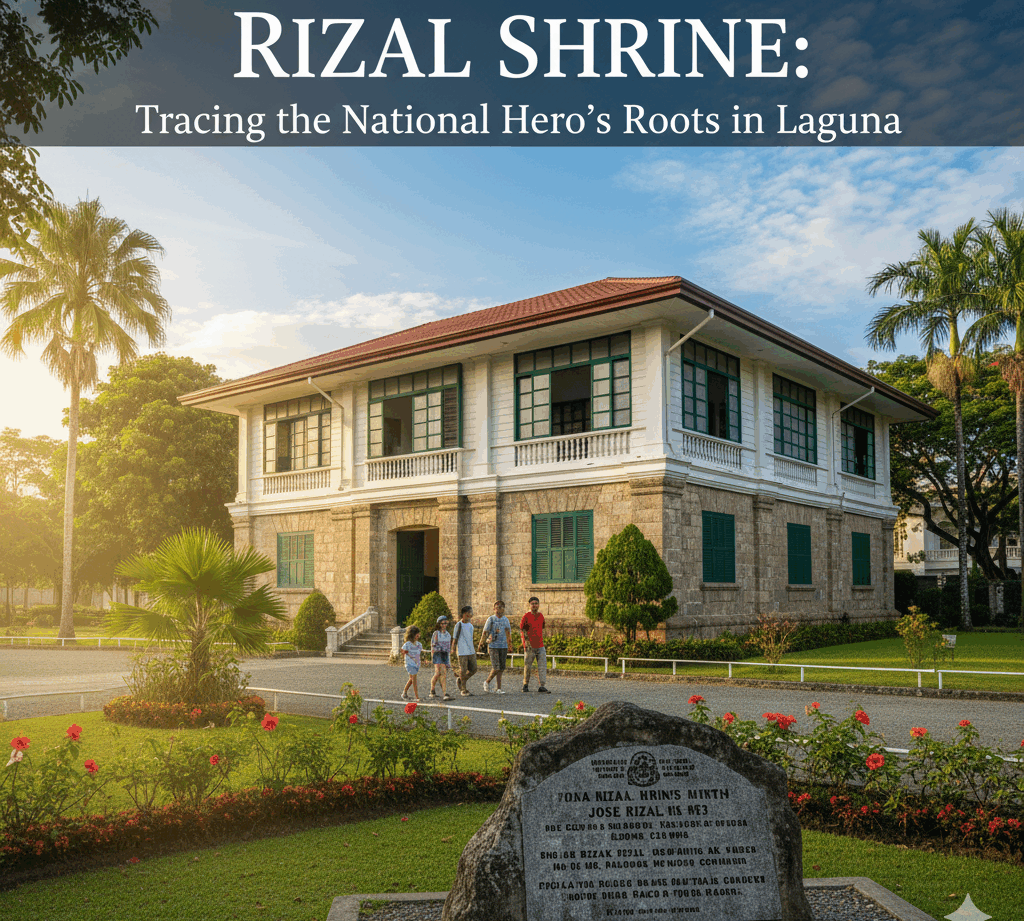
The Rizal Shrine in Calamba is a faithful replica of the two-story house where Jose Rizal was born on June 19, 1861. The original stone and wooden structure, with its distinctive Spanish colonial architecture, was unfortunately destroyed during World War II. However, through diligent historical research and a deep reverence for the hero, the house was meticulously rebuilt in 1949 by National Artist for Architecture, Juan Nakpil, based on descriptions by Rizal’s older brother, Paciano, and family documents.
Stepping Inside: A Glimpse into 19th-Century Life
As you enter the shrine, you are immediately transported to the 19th century. The ground floor, originally used as a stable and storage area for farming implements, now houses various displays and a gift shop. The main living quarters are located on the second floor, accessible via a grand wooden staircase. Here, the house comes alive with period furniture, antique decor, and replicas of Rizal’s personal belongings, offering an authentic glimpse into the lifestyle of a well-to-do Filipino family during the Spanish colonial period.
The spacious living room, adorned with ornate furniture and religious icons, speaks of the family’s social standing. The dining room, with its long table, evokes images of lively family meals and intellectual discussions. The bedrooms, simple yet elegant, contain four-poster beds draped with mosquito nets, giving a sense of the intimate family life of the Mercados.
The Kitchen and Azotea: Hearth and Home
A notable feature is the kitchen, which, true to the era, is separate from the main living area to prevent cooking fumes from permeating the house. It showcases traditional cooking utensils and a large brick stove. Adjacent to the kitchen is the azotea, an open-air terrace where the family would often gather to relax, enjoy the fresh air, and perhaps even stargaze. These spaces paint a vivid picture of daily routines and the close-knit family environment that nurtured the young Jose.
A Glimpse into Rizal’s Childhood
The surroundings of the house are equally evocative. The sprawling backyard, lush with various fruit trees like mangoes, santol, and chico, as well as medicinal plants, highlights the family’s agricultural prosperity. A working well, still drawing water today, stands as a silent witness to countless moments of Rizal’s early life.
The Casita and Early Inspirations
Perhaps one of the most significant features for understanding Rizal’s formative years is the small nipa hut, or ‘casita,’ in the garden. This is believed to be where young Jose often retreated to read, reflect, and perhaps even write his first poems. It’s easy to imagine him, a prodigious child, observing the world around him from this quiet sanctuary, his mind absorbing the sights, sounds, and social nuances that would later influence his revolutionary ideas.
The extensive library of his parents, particularly his mother, Teodora Alonso, played a crucial role in his intellectual development. She was his first teacher, imparting not only the alphabet but also a love for literature and critical thinking. The influence of his parents, who were educated and prominent members of their community, provided a foundation for Rizal’s extraordinary intellect and moral compass.
Beyond the House: The Grounds and Educational Significance
Beyond the main house, the shrine’s grounds are meticulously maintained, featuring various markers and statues that commemorate key events and individuals in Rizal’s life. The sprawling area provides a tranquil setting for visitors to reflect on the hero’s contributions and the sacrifices made for Philippine freedom.
The Rizal Museum and Educational Programs
An adjacent museum further enriches the visitor experience, housing more extensive exhibits on Rizal’s life, his travels abroad, his pivotal writings such as “Noli Me Tangere” and “El Filibusterismo,” and his eventual martyrdom. These exhibits, often accompanied by interactive displays and detailed historical narratives, serve as invaluable educational resources for students and researchers alike. The shrine regularly hosts educational tours and programs aimed at preserving national identity and inspiring patriotism among the youth.
Planning Your Visit to the Rizal Shrine
- Location: The Rizal Shrine is conveniently located in the heart of Calamba City, Laguna, making it easily accessible from Metro Manila.
- Operating Hours: It is generally open to the public from Tuesday to Sunday, typically from 8:30 AM to 4:30 PM. It is advisable to check their official page or contact them for the most updated schedule, especially during holidays.
- Entrance Fee: Admission to the Rizal Shrine is usually free, though donations are appreciated to help maintain the site.
- Best Time to Visit: Weekdays are generally less crowded, allowing for a more serene and reflective visit. Avoid Rizal’s birth or death anniversaries if you prefer fewer crowds, as these days see a significant influx of visitors.
- What to Bring: Bring a camera to capture the historical ambiance, comfortable shoes for walking around the grounds, and an open mind ready to absorb the rich history.
- Getting There: From Manila, you can take a bus bound for Sta. Cruz, Laguna, and alight in Calamba. From there, tricycles can take you directly to the shrine. Alternatively, a private car offers a more direct and convenient option.
Why the Rizal Shrine Remains a Vital Landmark
The Rizal Shrine in Calamba is more than just a historical house; it is a sacred ground that resonates with the spirit of a national hero. It offers an unparalleled opportunity to understand the environment that shaped Jose Rizal, providing context to his brilliant mind and unwavering commitment to his country. For Filipinos, it is a powerful symbol of national identity and a reminder of the enduring fight for freedom and self-determination. For international visitors, it offers a fascinating insight into the rich tapestry of Philippine history and the profound impact of one man’s vision.
Visiting the Rizal Shrine is an act of pilgrimage, a moment to reflect on the ideals of patriotism, education, and courage that Rizal championed. It stands as a testament to the enduring power of ideas and the indelible mark one individual can leave on the course of history.